
How do I sign over a car title in Delaware?
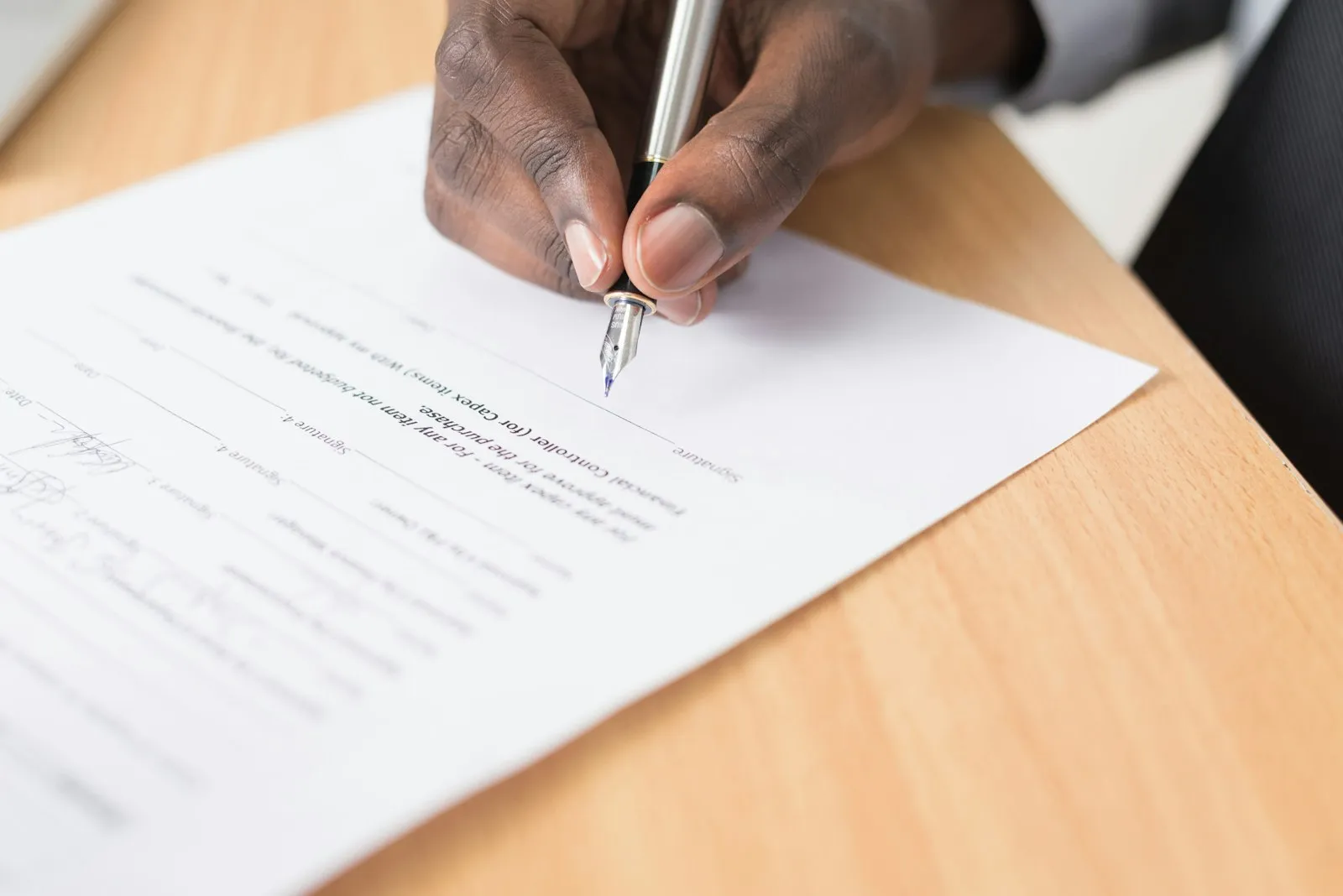
The seller completes Assignment of Certificate of Title section 1 on the back of the title: the buyer's name and address, date of sale, purchase price, and odometer disclosure. If owners are joined by '& OR', one owner signs; if by 'AND', all must sign. For an in-state buyer, DMV suggests the seller go with the buyer to the DMV when possible. Under federal rules, model-year 2011 and newer vehicles need an odometer disclosure until they are 20 model years old.
Can I sell or junk a car without a title in Delaware?
If the title is lost, get a duplicate (MV213) first. An automotive recycler must get the title, a salvage certificate, or other acceptable evidence of ownership from the seller (21 Del. C. §2505). A scrap processor that takes in a vehicle without a title must upload the VIN to NMVTIS by the next business day and have the vehicle cleared by a Delaware State Police auto theft technician before scrapping it (21 Del. C. §2512(c)).
How do I get a duplicate title in Delaware?
Form MV213 (Application for Duplicate Title). The fee is $50. All owners sign and give their driver's license numbers, and anyone signing for an owner needs an original notarized power of attorney. A lienholder completes the lien section if there is a lien. Submit by mail to DMV, PO Box 698, Dover, DE 19903 (include a copy of your ID and a self-addressed envelope), or at a DMV office.
Do I need to file a release of liability in Delaware?
The seller completes the Seller's Report of Sale (the detachable bottom part of newer titles) or the back of the registration card. It lists the buyer's name and address, the date and hour of sale, and the seller's signature, and goes to DMV Vehicle Services Help Desk, P.O. Box 698, Dover, DE 19903.
What do I do with the plates after selling a car in Delaware?
DMV tells sellers to remove the plate and return it to any DMV office or keep it on file with DMV; otherwise you risk red-light, toll and parking violations. To keep a plate after selling to an out-of-state buyer, file MV213 (Sold Out of State) for $35, or $55 with a lien. Low-digit plates (such as 4-digit or lower passenger plates) can go with the vehicle only if the seller signs a notarized affidavit (MV73).
What happens to the title when a car is junked or salvaged in Delaware?
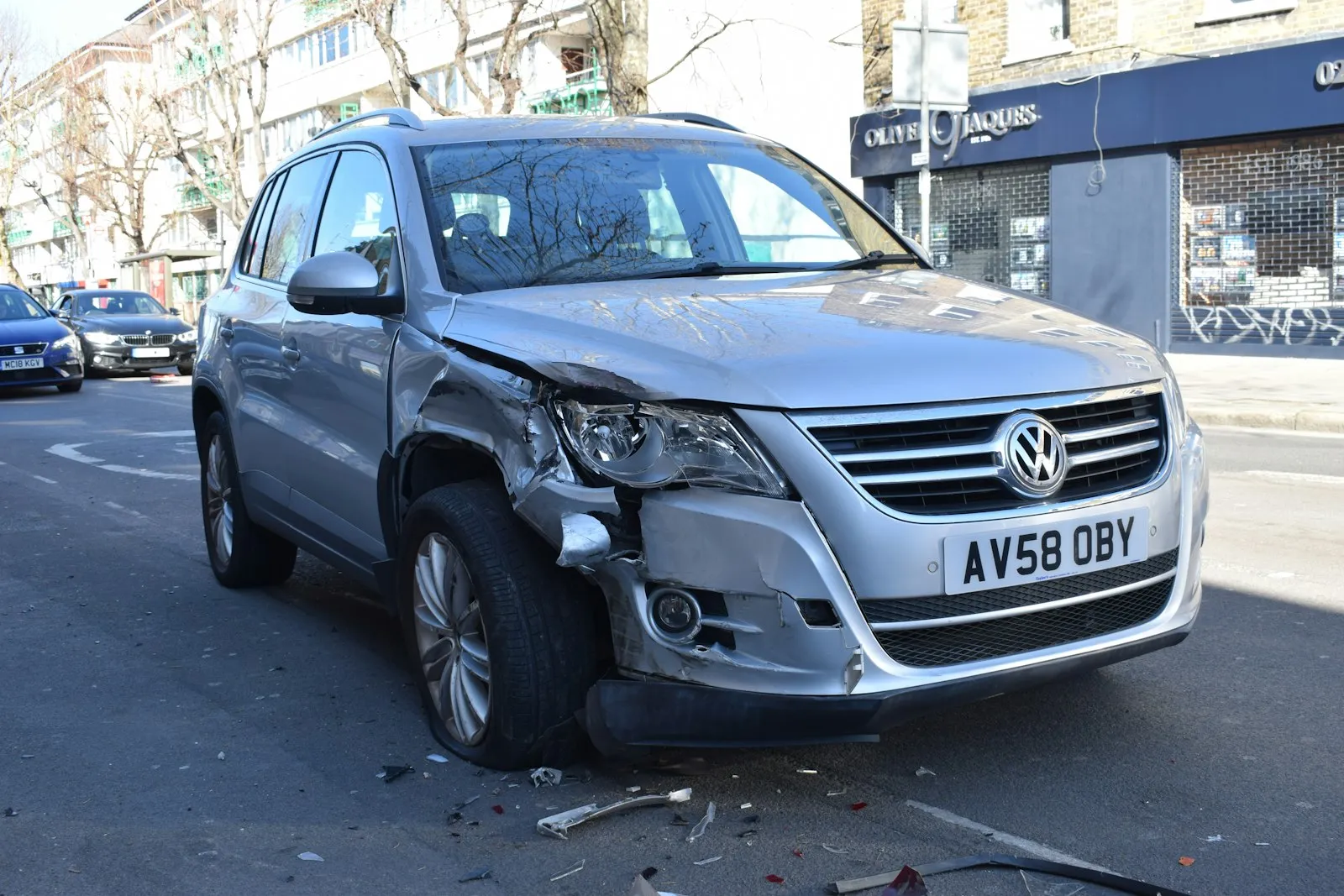
When a titled vehicle is transferred as salvage after an insurance total loss, the insurer sends the title to DMV within 30 days and DMV issues a salvage certificate (21 Del. C. §2512). Owners who keep a total-loss vehicle must get a salvage certificate. A registration number can be reissued once a vehicle has been junked or destroyed and its Delaware title surrendered (21 Del. C. §2128(d)).
What can I do about an abandoned vehicle on my property in Delaware?
An inoperable, wrecked or unplated vehicle on private property that appears abandoned counts as abandoned (21 Del. C. §4401). If left without the property owner's consent, police may remove it at the owner's or occupant's complaint. If it is there with consent (for example, the owner's own car), officials send certified mail giving 7 days to remove it, then post a 24-hour sticker before towing (21 Del. C. §4402(c)–(d)).
Official sources
- Delaware DMV: Tips for Privately Selling a Delaware Titled Vehicle
- Delaware DMV MV213 Application for Duplicate Title / Sold Out of State to Retain Tag
- Delaware DMV: Duplicate Title
- Delaware DMV MV73 Seller's affidavit to transfer low-digit tag
- Delaware Code Title 21, Chapter 21 (§2128)
- Delaware Code Title 21, Chapter 25 (§§2505, 2512)
- Delaware Code Title 21, Chapter 44 (§§4401, 4402)
- NHTSA Consumer Alert: Changes to Odometer Disclosure Requirements
This guide summarizes public rules and is not legal advice. Rules change; confirm with Delaware Division of Motor Vehicles (DMV) before you sell.
Guides for every state
-
 How to sign over a car title
 -
 How to sell a car without a title
 -
 Release of liability: how to tell the DMV you sold your car
 -
 How to get a duplicate car title
 -
 Bill of sale for a junk car
 -
 How to sell a car with a lien on it
 -
 How to sell an inherited car
 -
 Salvage title: what it means and what you can do with one