
How do I sign over a car title in Florida?
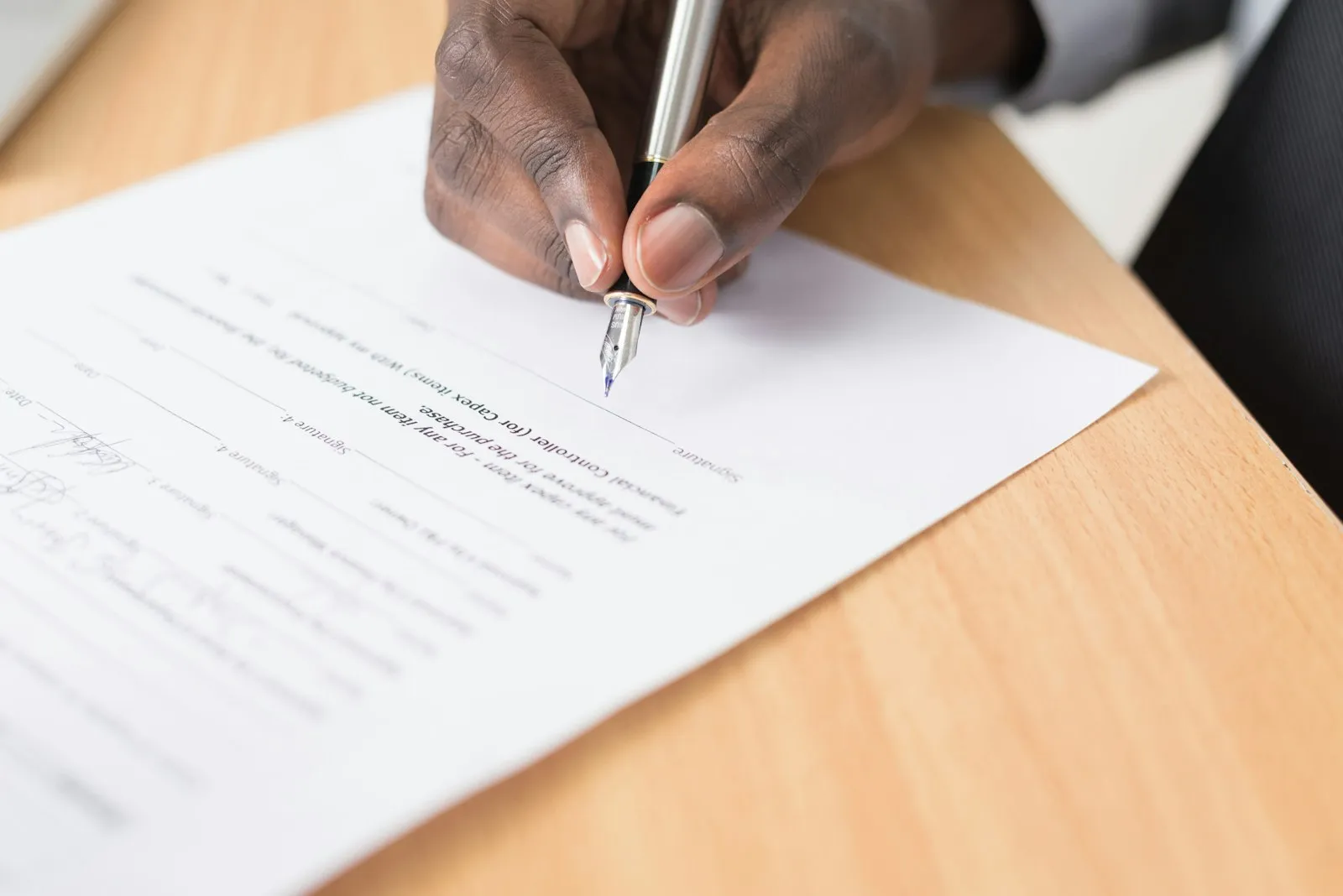
The seller signs over (endorses) the title to the buyer (s. 319.22, F.S.). The seller must state the mileage; the FLHSMV Notice of Sale/Bill of Sale form (HSMV 82050) includes a federal and state odometer disclosure. Under federal rules, model-year 2011 and newer vehicles need an odometer disclosure until they are 20 model years old.
Can I sell or junk a car without a title in Florida?
A 'derelict motor vehicle' can go to a licensed salvage motor vehicle dealer without a title. That means a vehicle worth under $1,000, at least 10 model years old, whose main value is as scrap or parts. The seller, the transporter and the dealer complete a derelict motor vehicle certificate application at the time of sale, with a copy of the seller's driver license or ID (and a thumbprint if the seller isn't the owner of record). The dealer reports to NMVTIS and holds the vehicle 3 business days, or 10 days if there's a lien under 3 years old (s. 319.30(2)(c)). Otherwise, a salvage dealer needs a title, salvage title, or certificate of destruction from the seller (s. 319.30(2)(b)).
How do I get a duplicate title in Florida?
Form HSMV 82101 (Application for Duplicate or Lost in Transit/Reassignment Title), submitted to your local tax collector office. The transfer/duplicate title fee is $75.25 for an electronic title, plus $2.50 if a paper title is printed. If a title was lost in the mail, a replacement requested within 180 days of issuance is free (s. 319.29(3)).
Do I need to file a release of liability in Florida?
A seller must notify FLHSMV within 30 days of the sale (s. 319.22(2)(b)), including the VIN and the buyer's name and ID number. This limits the seller's liability. Use HSMV 82050 (Notice of Sale and/or Bill of Sale); the seller completes sections 1 and 3 and submits it to the local tax collector office.
What do I do with the plates after selling a car in Florida?
Plates stay with the seller. On sale or other disposal, the owner must remove the plate and either return it or transfer it to a replacement vehicle (s. 320.0609(2)(a)); the transfer fee is $4.50.
What happens to the title when a car is junked or salvaged in Florida?
When a vehicle is dismantled, destroyed, or changed so it no longer matches its title, the owner must surrender the title to FLHSMV, which cancels it with lienholder consent; knowingly failing to do so is a second-degree misdemeanor (s. 319.30(2)(a)). Salvage dealers must report vehicles to NMVTIS and get a properly endorsed title, salvage title, or certificate of destruction. Buying without one is a third-degree felony.
What can I do about an abandoned vehicle on my property in Florida?
Under s. 715.07, a property owner or lessee may have an unauthorized vehicle towed by a professional towing business, subject to conditions. The vehicle must be stored within 10 miles of the removal point in counties of 500,000 or more people, or within 15 miles in smaller counties. The tower must notify police or the sheriff within 30 minutes after towing. Anyone who improperly causes a tow is liable for costs, damages and attorney fees.
Official sources
- Florida Statutes s. 319.30 (dismantling, derelict vehicles, salvage)
- Florida Statutes s. 319.22 (transfer of title; 30-day seller notice)
- Florida Statutes s. 320.0609 (plate removal on sale)
- Florida Statutes s. 715.07 (towing from private property)
- FLHSMV HSMV 82050 Notice of Sale and/or Bill of Sale
- FLHSMV HSMV 82101 Application for Duplicate Title
- FLHSMV Fees
- NHTSA Consumer Alert: Changes to Odometer Disclosure Requirements
- Florida Statutes s. 319.29 (lost or destroyed titles; free reissue within 180 days)
This guide summarizes public rules and is not legal advice. Rules change; confirm with Florida Department of Highway Safety and Motor Vehicles (FLHSMV) before you sell.
Guides for every state
-
 How to sign over a car title
 -
 How to sell a car without a title
 -
 Release of liability: how to tell the DMV you sold your car
 -
 How to get a duplicate car title
 -
 Bill of sale for a junk car
 -
 How to sell a car with a lien on it
 -
 How to sell an inherited car
 -
 Salvage title: what it means and what you can do with one