
How do I sign over a car title in Maryland?
The seller must have a valid Maryland title in their name, and any lien must be released before the sale. On the back of the title the seller fills in the buyer's name and address, the sale price, the odometer reading (required by federal law) and the sale date, then signs. If several owners are listed, all must sign unless the title joins their names with 'OR'. Do not leave any section of the title blank. Since October 1, 2026, Maryland no longer requires a notarized bill of sale (2026 Md. Laws ch. 118). A bill of sale is still recommended: MVA's form VR-181 (rev. 10-26) is signed by buyer and seller under penalty of perjury, with no notary. The buyer, not the seller, titles and registers the vehicle.
Can I sell or junk a car without a title in Maryland?
MVA tells sellers to get a duplicate title before selling if the title is lost or damaged. To scrap a vehicle without a title, use Transportation Article §25-209. An owner, a property owner where an abandoned vehicle sits, or someone with lawful, documented possession of a vehicle whose title is defective, lost or destroyed can apply to the local law enforcement agency where the vehicle is located. The application asks for a 'certificate of authority' to transfer the vehicle to an automotive dismantler and recycler or a scrap processor. It is made under penalty of perjury and includes vehicle details, the facts about the lost title, and a sworn affidavit. A licensed dismantler or scrap processor must accept that certificate instead of the title. A knowingly false application is a felony. Dismantlers and scrap processors must be licensed by the MVA.
How do I get a duplicate title in Maryland?
Use form VR-018 (Application for Duplicate Certificate of Title). The fee is $40. Apply online through myMVA, at an MVA kiosk, at a full-service branch by appointment, or by mail. By mail or in person, include a copy of a valid ID for each owner and for the person presenting the form, and proof of lien release if a lien was recorded. Since Dec 4, 2024, MVA no longer prints a duplicate title automatically after an electronic lien release. You can request a clear duplicate at no extra cost through myMVA, the MVA website or a kiosk.
Do I need to file a release of liability in Maryland?
Maryland has no separate notice-of-sale or release-of-liability filing for sellers. The seller instead removes and returns the plates. The seller keeps the plate return receipt and copies of the front and back of the signed title and the bill of sale as proof of the sale.
What do I do with the plates after selling a car in Maryland?
Plates stay with the seller, not the car. Remove them before the buyer takes the vehicle and do not let the buyer use them. Return plates you no longer need (sold, traded or totaled vehicle) unless you are moving them to another vehicle you own. Drop them in the 24-hour tag return box at any MVA location (no appointment), hand them in at the information counter for an instant receipt, or mail them with the Tag Return Form (VR-027); certified mail with return receipt is recommended. Keep insurance active until you have the tag return receipt, which can take 72 business hours to show in myMVA. Not returning plates can bring insurance violation penalties, set by law based on how long the vehicle was uninsured. Unpaid penalties can lead to registration suspension and referral to Central Collections, which adds 17%.
What happens to the title when a car is junked or salvaged in Maryland?
When junking, the seller signs the title over to the licensed dismantler or scrap processor and returns the plates. If there is no title, use the §25-209 certificate of authority described above. Salvage certificates fall under Transportation Article §13-506. Licensed insurers must apply within 10 days after settling a total-loss claim. A licensed dismantler and recycler may apply for one when it gets a salvage vehicle from a non-insurer source. Any other person who acquires or keeps a salvage vehicle may apply on the MVA form and pay the fee. MVA records salvage transfers, and such vehicles cannot be retitled or registered for road use except through the rebuilt-salvage process (§§13-506.1, 13-507). An insurer's salvage application states whether the vehicle is rebuildable or is 'not rebuildable, will be used for parts only, and is not to be retitled'.
What can I do about an abandoned vehicle on my property in Maryland?
Police departments may take abandoned vehicles into custody and use registered tow operators (Transportation Article §25-203). Under §25-209, a property owner where an abandoned vehicle is found can apply to local law enforcement for a certificate of authority to send it to a dismantler or scrap processor. If the applicant is not the owner, police follow the owner-notice steps in §§25-204 and 25-205.
Official sources
- MVA - Selling a Vehicle
- VR-181 Bill of Sale (rev. 10-26)
- HB 251 (2026), Ch. 118: Repeal of Notarized Bill of Sale Requirement
- HB 251 Fiscal and Policy Note
- MVA - Returning Maryland License Plates
- MVA - Auto Insurance Violation Penalties & Payments
- MVA - Request a Duplicate Vehicle Title
- VR-018 Application for Duplicate Title
- MVA - Discontinuance of the Duplicate Title after Lien Release (bulletin)
- MVA - Business Licenses for Automotive Dismantlers & Recyclers & Scrap Processors
- Md. Code, Transportation §25-209 (certificate of authority)
- Md. Code, Transportation §13-506 (salvage certificates)
- Md. Code, Transportation §25-203 (abandoned vehicles, police custody)
This guide summarizes public rules and is not legal advice. Rules change; confirm with Maryland Department of Transportation Motor Vehicle Administration (MVA) before you sell.
Guides for every state
-
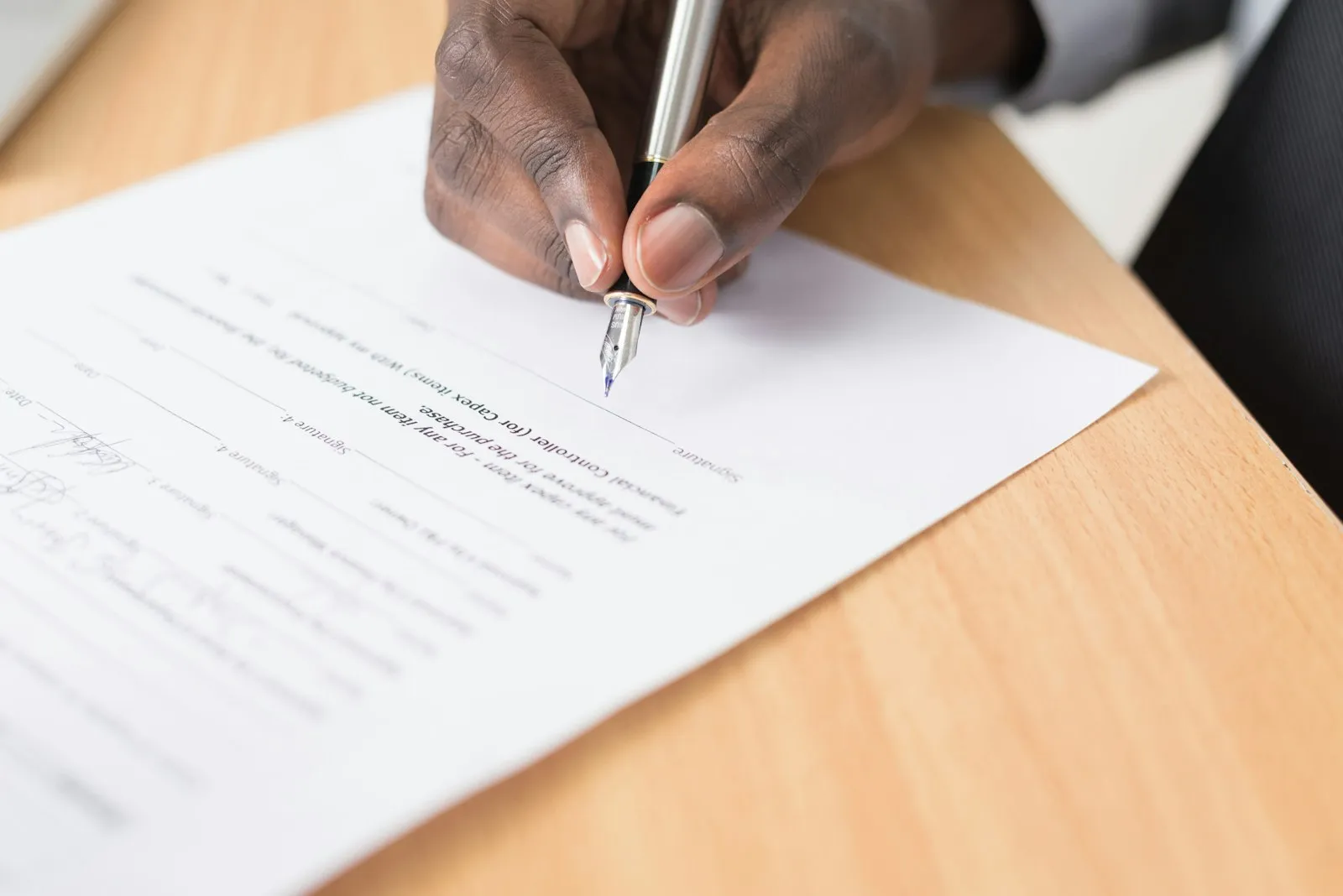 How to sign over a car title
 -
 How to sell a car without a title
 -
 Release of liability: how to tell the DMV you sold your car
 -
 How to get a duplicate car title
 -
 Bill of sale for a junk car
 -
 How to sell a car with a lien on it
 -
 How to sell an inherited car
 -
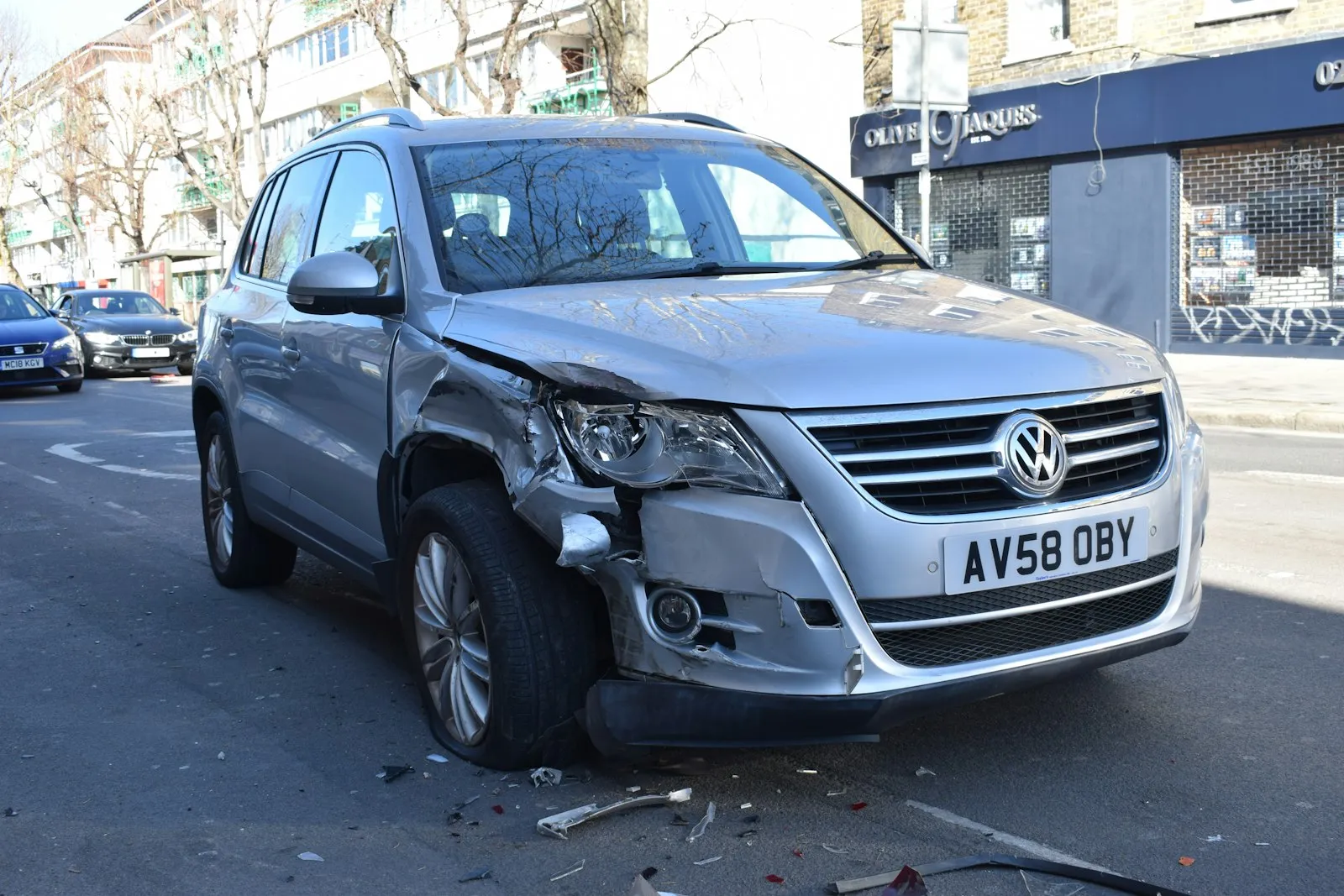 Salvage title: what it means and what you can do with one