
How to cancel insurance and registration after selling your car
Quick answer
After the car is sold, first file your state's release of liability or transfer notice, then deal with the plates, then cancel the insurance once your state's records show the car is gone. The order matters: some states, such as New York, say to surrender the plates before the liability insurance lapses.
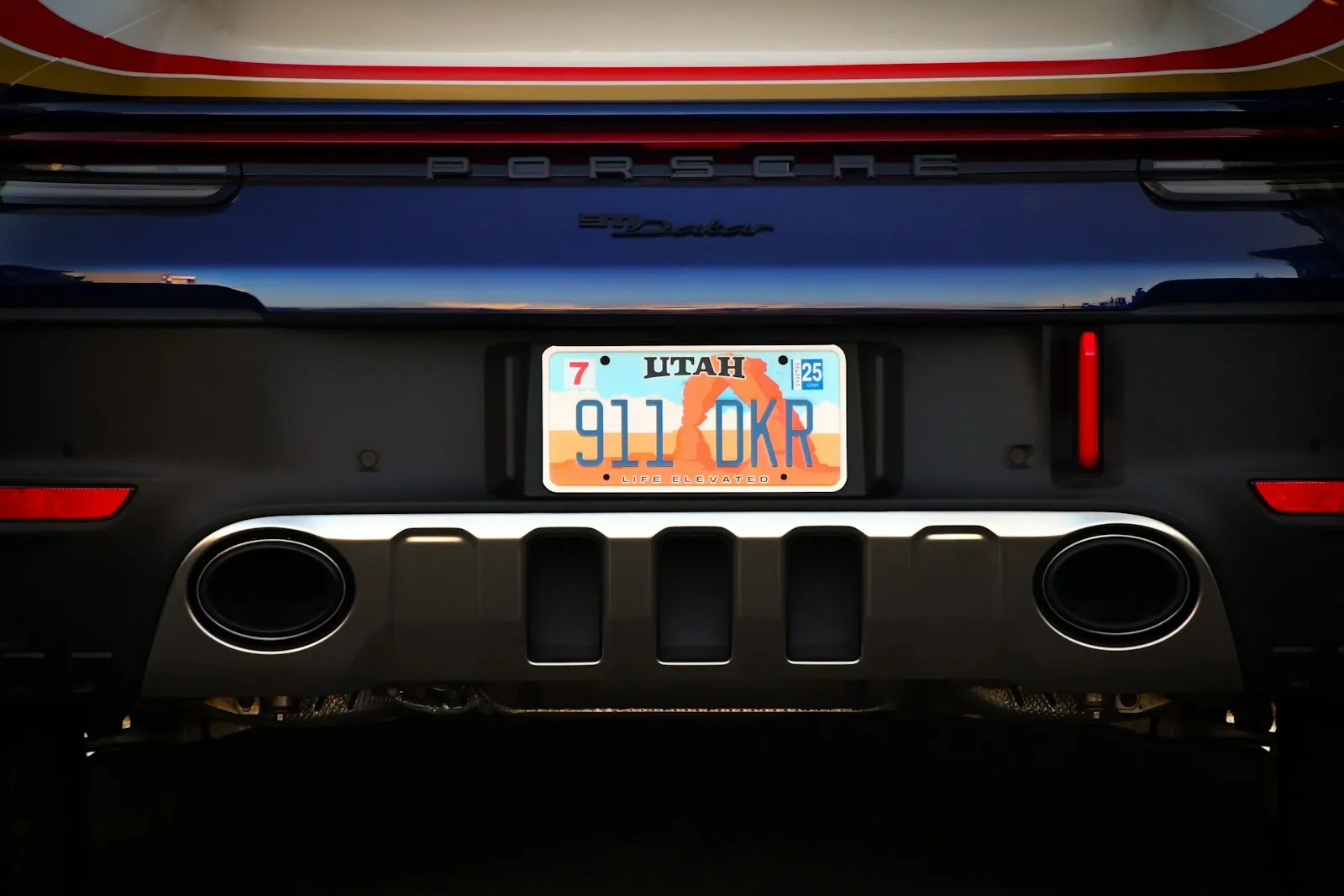
Do it in this order: release of liability → plates → insurance. Filing the release first protects you if the car gets a ticket or is in a crash after it leaves. Handling the plates before the insurance avoids registration trouble in states, such as New York, where the DMV tracks insurance coverage.
Step 1: File your release of liability or transfer notice
This tells your state you no longer own the car. Names and deadlines vary:
- California: sellers must notify the DMV with a Notice of Transfer and Release of Liability within 5 calendar days of the sale. Once the DMV gets it, liability for later parking and traffic violations and civil cases falls on the buyer, and renewal notices for the car stop. It does not remove your name from the title record. Only the buyer’s transfer does that.1
- Texas: sellers file a vehicle transfer notification within 30 days of the sale. TxDMV also asks sellers to keep the buyer’s contact information, the sale date and the VIN.2
If you donated the car, the same applies. IRS Publication 4303 notes that state charity officials recommend the donor handle the title transfer to end liability, which in most states means filing a form with the motor vehicle agency.3
Keep the confirmation. See release of liability for more, and your state’s junk car laws for your form and deadline.
Step 2: Deal with the plates
States handle plates differently. Read your state’s rule before you hand the car over.
| State | What happens to the plates |
|---|---|
| New York | If you won’t have liability insurance, surrender your plates to the DMV. If coverage is about to lapse and you won’t replace it, surrender the plates before it lapses.4 |
| Texas | You may remove the plates and registration sticker. Put the plates on a vehicle of the same type, keep them, or deface them and dispose of them. The sticker doesn’t transfer.2 |
| California | You give the plate number when you file the release of liability.1 Check the DMV’s plate rules for your car. |
If you’re unsure, take the plates off before the car leaves. Publication 4303 advises removing plates before giving away a vehicle unless state law requires otherwise.3
Step 3: Cancel or change the insurance
Once the release is filed and the plates are handled, call your insurer. Have ready:
- The policy number and the car’s VIN
- The sale date and time
- A copy of the bill of sale or title transfer (see bill of sale for a junk car)
- In plate-surrender states, your plate-surrender receipt
Then decide what you need:
- Replacing the car? You may be able to move the policy to the new car rather than cancel it.
- No car for now? Ask about non-owner coverage if you’ll still drive borrowed or rented cars.
- Unused premium: ask whether you’ll get a refund and how it’s calculated.
Why the order matters
New York tracks insurance through the DMV: insurers must notify the DMV electronically about coverage changes, and the DMV says to surrender your plates immediately if you don’t have liability insurance, or before it lapses if you won’t replace it.4 Turning in the plates first keeps your record clean. Other states have their own rules, which is one more reason to check your DMV’s page.
Step 4: Close out the rest
- Toll tags and parking permits. Remove them and update the account.
- Connected services. Cancel satellite radio, Wi-Fi and data plans, and disconnect the manufacturer’s app. The FTC notes these can stay linked even after a factory reset.5
- Auto-pay and loan accounts. If there was a loan, confirm the lien was released and the account is closed.
- Registration renewal. Watch for a renewal notice. If one still comes after you filed, contact your DMV with your confirmation.
If the car is being scrapped
When a car is scrapped or dismantled, the title may need to be surrendered or a certificate of destruction issued, depending on the state. See certificate of destruction and NMVTIS junk and salvage reporting. Your release of liability still matters until the state’s record shows the change.
Quick checklist
- Car picked up and paid for, title signed with buyer’s name
- Release of liability or transfer notice filed (keep the confirmation)
- Plates removed and surrendered, kept or disposed of per state rules
- Insurance canceled or moved, refund requested
- Toll tags, connected services and apps closed
- Copies of the title, bill of sale and receipts saved
Haven’t sold yet? See how to prepare a car for the junkyard, or get an offer for your car.
References
-
California DMV, “Notice of Transfer and Release of Liability (NRL)”, https://www.dmv.ca.gov/portal/vehicle-registration/titles/title-transfers-and-changes/notice-of-transfer-and-release-of-liability-nrl/ ↩ ↩2
-
Texas Department of Motor Vehicles, “Buying or Selling a Vehicle”, https://www.txdmv.gov/motorists/buying-or-selling-a-vehicle ↩ ↩2
-
Internal Revenue Service, Publication 4303, “A Donor’s Guide to Vehicle Donation” (Rev. 1-2015), https://www.irs.gov/pub/irs-pdf/p4303.pdf ↩ ↩2
-
New York State DMV, “Change, Reinstate or Cancel Insurance Coverage”, https://dmv.ny.gov/cancel-insurance-reinstate-or-change-coverage ↩ ↩2
-
Federal Trade Commission, “Selling your car? Clear your personal data first.”, June 23, 2022, https://consumer.ftc.gov/consumer-alerts/2018/08/selling-your-car-clear-your-personal-data-first ↩
Questions people ask
- Should I cancel my car insurance before or after I sell the car?
- After. Keep coverage until the car has left your possession, the title is signed over and you've filed your state's release or transfer notice. In states like New York, surrender the plates before the insurance ends.
- Do I have to return my license plates?
- It depends on the state. New York says to surrender plates before liability coverage lapses if you won't replace it. Texas lets sellers keep plates for another vehicle of the same type or deface and dispose of them. Check your state's DMV.
- Do I need to cancel the registration separately?
- It depends on the state, so check your DMV. In California, for example, filing the release of liability stops registration renewal notices for the car. In New York, the plates are surrendered to the DMV.
- Will I get a refund on my insurance or registration?
- Ask your insurer whether unused premium is refunded and how it is worked out, because terms vary by policy. Ask your DMV whether any part of the registration fee can be refunded in your state.