
How to prepare your car for the junkyard
Quick answer
Before pickup, find the title, take out your belongings, remove your plates if your state says to, clear the personal data stored in the car, including garage door codes, and take off your toll tag. After the car leaves, file your state's release of liability or transfer notice, then cancel the insurance and registration in the order your state requires.
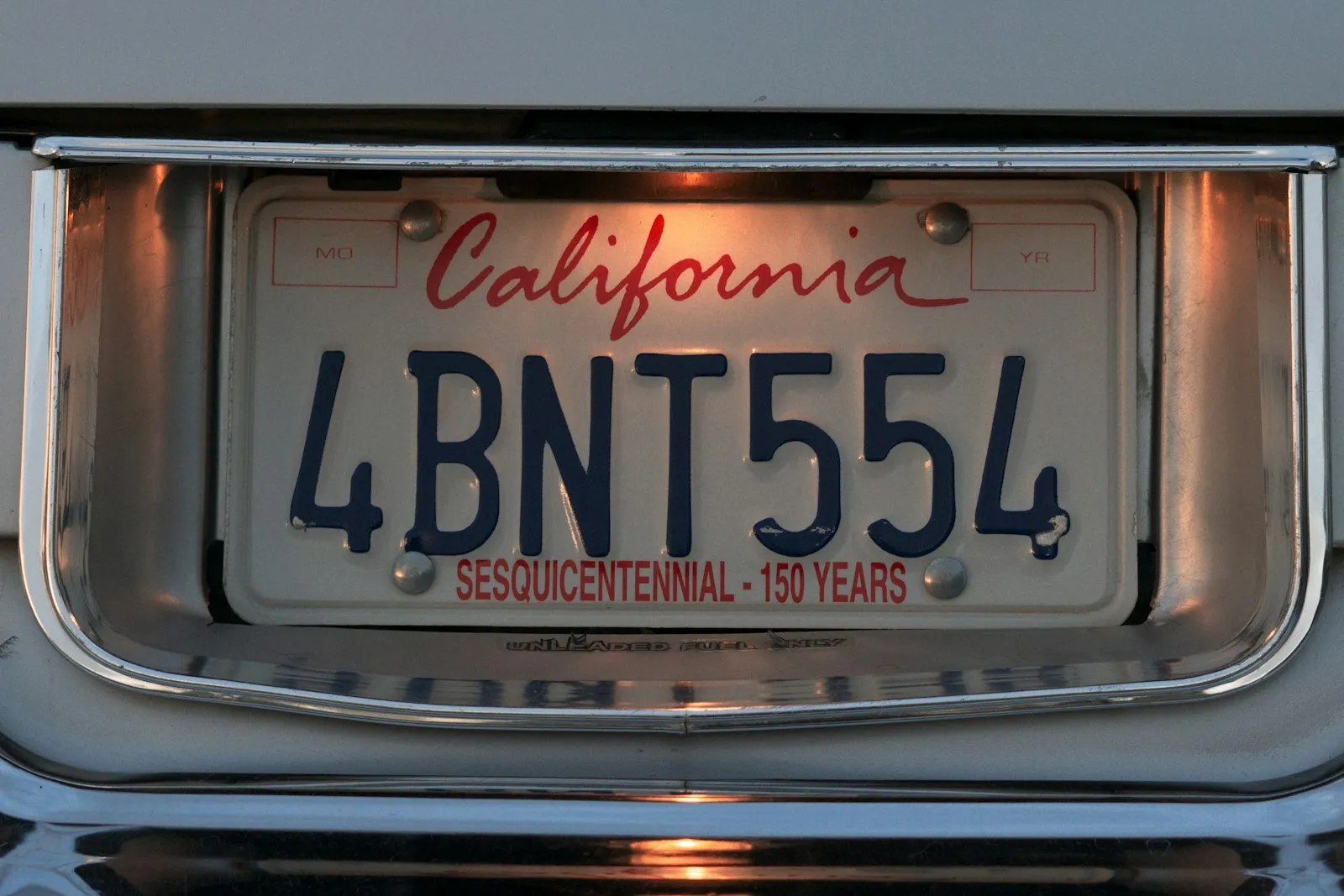
Most of the work happens before the tow truck arrives. Use this checklist the day before pickup and again when the driver gets there.
1. Get your paperwork together
- Title. Find it and read the back so you know where to sign. Don’t sign or date anything until the buyer is in front of you, and write the buyer’s name in. See how to sign over a car title. Lost it? See how to get a duplicate title or selling without a title.
- Lien release. If you ever had a loan on the car, make sure the lender has released the lien. See selling a car with a lien.
- ID. Buyers usually ask to see your driver’s license.
- Bill of sale. Have one ready even if your state doesn’t require it. See bill of sale for a junk car.
- Your state’s transfer or release form. Look it up now so you can file it the same day. Texas, for example, asks the seller to file a vehicle transfer notification within 30 days of the sale and to keep records of the buyer’s contact information, the sale date and the VIN.1
2. Remove everything personal
Check every place things hide:
- Glove box, center console and door pockets
- Under and between the seats, seat-back pockets
- Trunk, spare-tire well and any underfloor storage
- Sun visors (parking passes, registration cards, garage remotes)
- Overhead console (sunglasses, garage door remotes)
- Phone mounts, chargers, dash cams and any aftermarket gadgets you want to keep
Look for paperwork with your name, address or account numbers on it, such as old registration cards, insurance cards, receipts and service records. Shred what you don’t need.
3. Clear the data stored in the car
The FTC compares a car to a computer that stores a lot of personal information, and warns that the next owner may be able to access it if you don’t remove it.2 Before the car goes, delete:2
- Phone contacts and call history synced over Bluetooth
- App log-ins and app data
- Music or other files on a built-in drive
- Saved navigation locations, such as home and work
- Garage door codes for your home or office
Some cars have a factory reset option, but the FTC says even after a reset you may still need to cancel subscription services, such as satellite radio, Wi-Fi hotspots and data plans, and disconnect the manufacturer’s app that can control or locate the car.2 The FTC suggests checking the owner’s manual, the dealer or the manufacturer’s website for instructions.2
Then unpair the car from your phone on the phone’s side too, and remove the car from any connected-car account.
4. Take off your toll tag and parking permits
Remove any toll transponder from the windshield and update or close the account, or tolls charged to it after the sale may land on your bill. Do the same for parking permits and stickers linked to your account.
5. Decide about the plates
In some states, plates stay with the owner, not the car. IRS Publication 4303, written with state charity officials, tells people giving away a car to remove the plates unless state law requires otherwise, to help avoid liability after the transfer.3 Texas says sellers may remove plates and the registration sticker. The plates can then go on a vehicle of the same type, be kept for later or be disposed of. Plates you don’t keep or transfer must be defaced before you dispose of them.1
Some states require you to turn plates in. New York, for example, says to surrender your plates before liability insurance lapses if you won’t replace the coverage.4 Check your state’s junk car laws and see canceling insurance and registration.
6. Get the car ready for pickup
- Tell the buyer the truth about what’s missing, damaged or not working, so the price doesn’t change at pickup.
- Leave the parts in place. The catalytic converter, battery, wheels and tires are part of what the buyer is paying for. See catalytic converters and junk cars.
- Leave the keys with the car if you have them. If you don’t, see selling a car without keys.
- Make it reachable. Clear a path, and tell the buyer if the car is in a garage, behind a gate or has flat tires. See junk car towing.
- Fluids: don’t drain them unless the buyer asks you to.
7. At pickup
- Confirm the price before the car is hooked up.
- Get paid in the agreed form. See junk car scams for payment red flags.
- Sign the title with the buyer’s name, date and odometer reading filled in, and keep a photo of both sides.
- Get a signed bill of sale or receipt with the buyer’s name, business name, phone and the VIN.
- Take one last look through the car.
8. After the car is gone
- File your release of liability or transfer notice. California requires sellers to notify the DMV within 5 calendar days of the sale. After that, parking and traffic violations and civil liability tied to the car fall on the buyer.5 See release of liability.
- Then cancel insurance and registration, in the order your state requires. See canceling insurance and registration after selling.
- Keep your records (photos, bill of sale, the transfer confirmation).
Want to know what the car is worth before you do any of this? You can get an offer for your car first.
References
-
Texas Department of Motor Vehicles, “Buying or Selling a Vehicle”, https://www.txdmv.gov/motorists/buying-or-selling-a-vehicle ↩ ↩2
-
Federal Trade Commission, “Selling your car? Clear your personal data first.”, June 23, 2022, https://consumer.ftc.gov/consumer-alerts/2018/08/selling-your-car-clear-your-personal-data-first ↩ ↩2 ↩3 ↩4
-
Internal Revenue Service, Publication 4303, “A Donor’s Guide to Vehicle Donation” (Rev. 1-2015), https://www.irs.gov/pub/irs-pdf/p4303.pdf ↩
-
New York State DMV, “Change, Reinstate or Cancel Insurance Coverage”, https://dmv.ny.gov/cancel-insurance-reinstate-or-change-coverage ↩
-
California DMV, “Notice of Transfer and Release of Liability (NRL)”, https://www.dmv.ca.gov/portal/vehicle-registration/titles/title-transfers-and-changes/notice-of-transfer-and-release-of-liability-nrl/ ↩
Questions people ask
- Should I take the license plates off before the junkyard picks up my car?
- In many states, yes. In Texas, for example, the seller may remove the plates and keep them for another vehicle. IRS Publication 4303, written with state charity officials, says to remove your plates before giving away a vehicle unless state law requires otherwise. Rules differ, so check your state's DMV page.
- Do I need to drain the fluids or remove the battery?
- Not unless the buyer asks you to. Draining fluids yourself creates a mess you have to dispose of properly, and removing the battery or other parts can lower your offer.
- Is a factory reset enough to clear my data?
- Not always. The FTC notes that even after a factory reset, the car may still be linked to subscription services and manufacturer apps that you need to cancel or disconnect yourself.
- What if I can't find the title?
- Start on a duplicate right away, because it can take time. Some buyers will take a car without a title under state rules, but expect fewer offers.