
How to remove an abandoned car from your property
Quick answer
You usually can't sell or scrap a car someone left on your property just because it's there: it still belongs to its owner and any lender. Depending on the state, there are two legal routes. You can have it towed under the state's private-property towing rules, usually through or with notice to the police, or you can follow a DMV process that notifies the owner and lienholders and, if nobody claims the car, lets you dispose of it or get title. Waiting periods and forms vary by state.
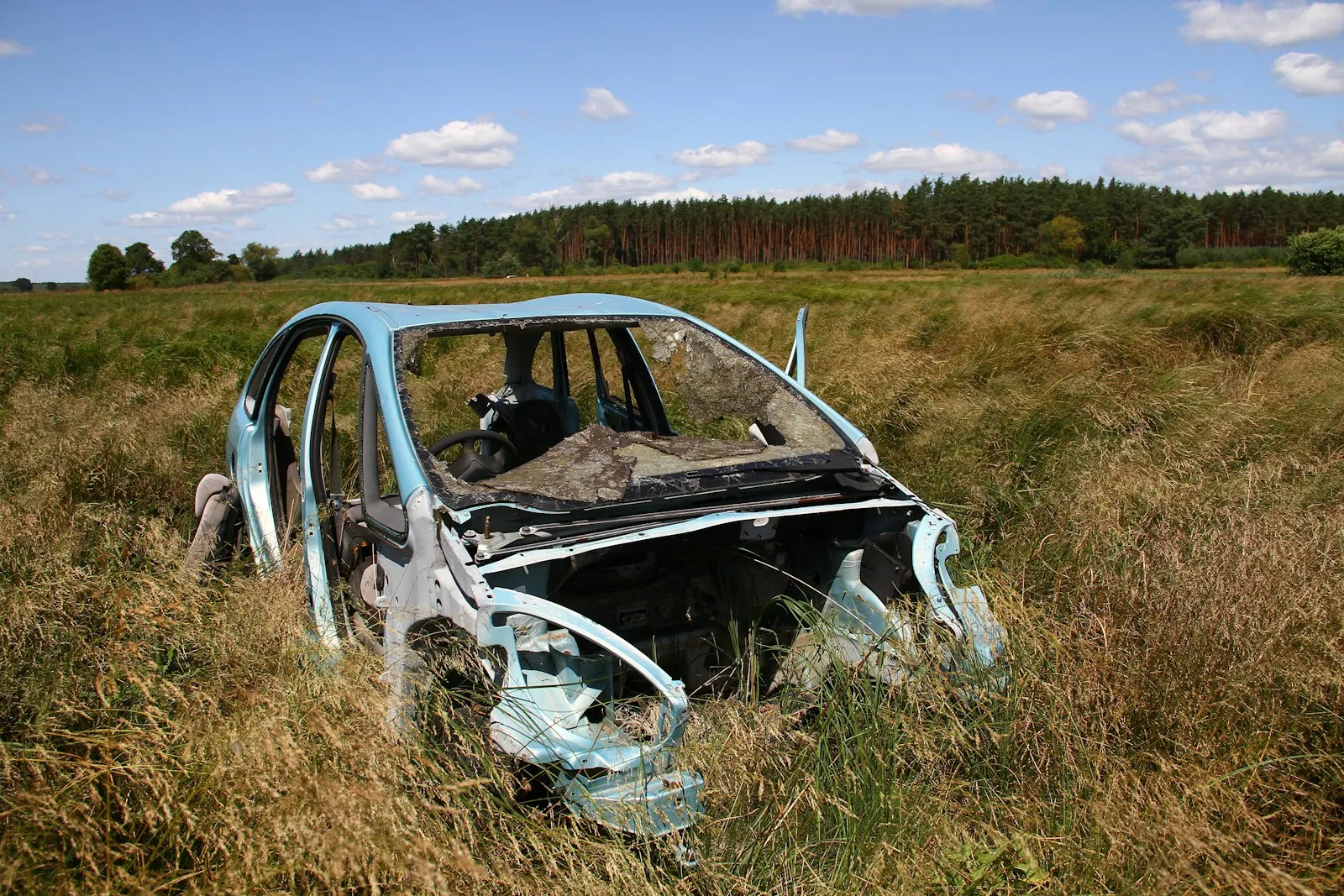
A car left on your land or lot is still someone else’s property. Selling it, scrapping it or keeping it without following your state’s process can expose you to claims from the owner or the lender. The good news is that states provide legal ways to get it removed. The two main routes are a tow and a DMV disposal process.
First, confirm it’s legally abandoned
States define an abandoned vehicle on private property by how long it’s been there without your consent. Texas treats a vehicle as abandoned when it has remained on private property without the owner’s consent for more than 48 hours.1 Virginia uses the same 48-hour mark,2 and New York uses more than 96 hours.3
Before you do anything else:
- Note the date you first saw the car and take dated photos.
- Write down the plate, VIN (through the windshield, driver’s side) and make and model.
- Call the police non-emergency line. Ask them to check whether the car is stolen, and whether they’ll handle it or authorize a tow. New York tells property owners to confirm with local police that a vehicle hasn’t been reported stolen before disposing of it.3
- Try to find the owner if you know who left it, such as a former tenant, guest or customer. A written request to remove it, with a deadline, gives you a record.
Route 1: have it towed
Property owners can often have unauthorized vehicles towed, under conditions set by state law. In Florida, for example, tow-away signs must be posted at each driveway or curb cut and stay up for at least 24 hours before any towing, though this doesn’t apply to property that is obviously part of a single-family home. The tow company must notify the police or sheriff within 30 minutes of the tow, and generally must store the car within 10 or 15 miles depending on county size.4 In New York, if the car doesn’t qualify for the DMV process described below, you ask your local police agency to authorize a towing company to remove it.3
After a private-property tow, the car goes to a storage lot. The towing company, not you, then follows the state’s lien-sale rules to recover its charges. You don’t get the car or any money from it. See selling an impounded car for how those lien sales work.
Towing is usually the fastest route. Check your state’s signage and notice rules first. In Florida, a person who improperly causes a vehicle to be removed is liable for the removal and storage costs, damages, attorney’s fees and court costs.4
Route 2: use your state’s DMV disposal process
Some states let a property owner dispose of an abandoned car, or get title to it, after the DMV notifies the owner and any lienholders. You fill out a form and pay a fee. The state searches its records and sends notice, and if nobody claims the car in time, you can dispose of it or auction it. Expect a few weeks, not days.
This route makes sense when the car is old and worth little, when you’d rather have it crushed than towed to a lot, or when towing isn’t practical.
State examples
- Texas. A person can apply for a Certificate of Authority to dispose of a vehicle to a demolisher if it’s abandoned and in their possession or on property they own. The application is Form VTR-71-2, and the fee is $2 by check or money order. TxDMV notifies the owners and lienholders it can identify by first-class mail, or posts the notice on its website if it finds no record. They have 20 days to claim the vehicle, and if it’s unclaimed, the certificate issues on the 21st day. The certificate lets you transfer the vehicle to a demolisher for crushing.1 Details: Texas junk car laws.
- New York. First contact the local city, town or village, which can take custody of abandoned vehicles. If it declines, you can transfer the vehicle to a registered dismantler or itinerant collector using Form MV-37, but only if it has a wholesale value of $1,250 or less, is 10 or more model years old and has been abandoned for at least one month. Otherwise, ask the police to authorize a tow.3 Details: New York junk car laws.
- Virginia. The person in possession uses DMV’s online Abandoned Vehicle Process, starting with a record request that costs $40.5 If DMV finds a Virginia owner or lienholder, it sends a certified letter, and they have 15 days to reclaim the vehicle. If it’s unclaimed, you post an intent to auction within 30 days of becoming eligible and keep it posted for 21 days, after which you can auction, title or demolish the vehicle. If the first record search finds no owner at all, you can demolish it without posting.2 Details: Virginia junk car laws.
Other states have their own forms, fees and waiting periods. See junk car laws by state.
Why you can’t just sell it
- You don’t own it. A junk buyer needs proof of ownership or a state-issued document that lets them take the car. In Texas, for example, the Certificate of Authority is for transferring an abandoned car to a demolisher for crushing.1
- Lienholders have rights. The DMV processes above notify lienholders as well as owners for that reason.
- Junk buyers report what they take. Auto recyclers, salvage yards and junk yards must report salvage vehicle data to the National Motor Vehicle Title Information System every month (yards handling fewer than five salvage vehicles a year are exempt), so a car taken without paperwork can be traced.6 See NMVTIS reporting.
Once you have the state’s paperwork, removal works like any junk car sale: get quotes, confirm towing and hand over the document. You can get an offer for your car or compare local yards in the junkyard directory. For what happens to the car next, see certificate of destruction and how car recycling works.
Special cases
- A tenant’s or relative’s car. Landlord-tenant rules may apply on top of abandoned-vehicle law. Give written notice and keep copies.
- A car on public streets. That’s a matter for the city or police, not the DMV processes above. Report it to your local government.
- A car with no plates or VIN. Tell the police, since a missing VIN can mean it was stolen.
References
-
Texas Department of Motor Vehicles, “Abandoned vehicles” (Certificate of Authority), https://www.txdmv.gov/motorists/buying-or-selling-a-vehicle/abandoned-vehicles ↩ ↩2 ↩3
-
Virginia Department of Motor Vehicles, “Abandoned vehicle FAQs”, https://www.dmv.virginia.gov/vehicles/avp-faq ↩ ↩2
-
New York State DMV, “Abandoned and unclaimed vehicles”, https://dmv.ny.gov/registration/abandoned-vehicles ↩ ↩2 ↩3 ↩4
-
Florida Statutes §715.07 (2026), “Vehicles or vessels parked on real property; towing”, http://www.leg.state.fl.us/statutes/index.cfm?App_mode=Display_Statute&URL=0700-0799/0715/Sections/0715.07.html ↩ ↩2
-
Virginia Department of Motor Vehicles, “Abandoned Vehicle Process” online transactions page (fee as shown in the April 13, 2025 archived copy), https://www.dmv.virginia.gov/apps/webtrans/avp/intropage.aspx ↩
-
U.S. Department of Justice, National Motor Vehicle Title Information System, “Who reports to NMVTIS?”, https://vehiclehistory.bja.ojp.gov/nmvtis/nmvtis_who_report ↩
Questions people ask
- Can I sell an abandoned car left on my property?
- Not right away, and not without following your state's process. The car still belongs to its registered owner and any lienholder. States such as Texas and Virginia have DMV procedures that notify them first, and only then let you dispose of, auction or retitle the car.
- How long before a car counts as abandoned on private property?
- It depends on the state. Texas and Virginia use more than 48 hours without the property owner's consent. New York uses more than 96 hours.
- Should I call the police about an abandoned car?
- Yes. Police can check whether it's stolen, and in many states they authorize or are notified of the tow. New York tells property owners to check with local police that the car hasn't been reported stolen before disposing of it.
- Who pays to remove an abandoned car?
- It depends on the route. With a private-property tow, the towing company usually recovers its charges from the vehicle's owner or through a lien sale. With a DMV disposal process, you pay the state fee and arrange removal, and a junk buyer or demolisher may haul it if it has scrap value.