
What is a branded title?
Quick answer
A branded title is a car title carrying a permanent label from the state that records an event affecting the vehicle's value or safety, such as salvage, rebuilt, junk, flood or an odometer problem. The federal NMVTIS database is designed to make brands follow the car from state to state. A branded car is worth less and may be harder to insure, and some brands mean it can never be driven again.
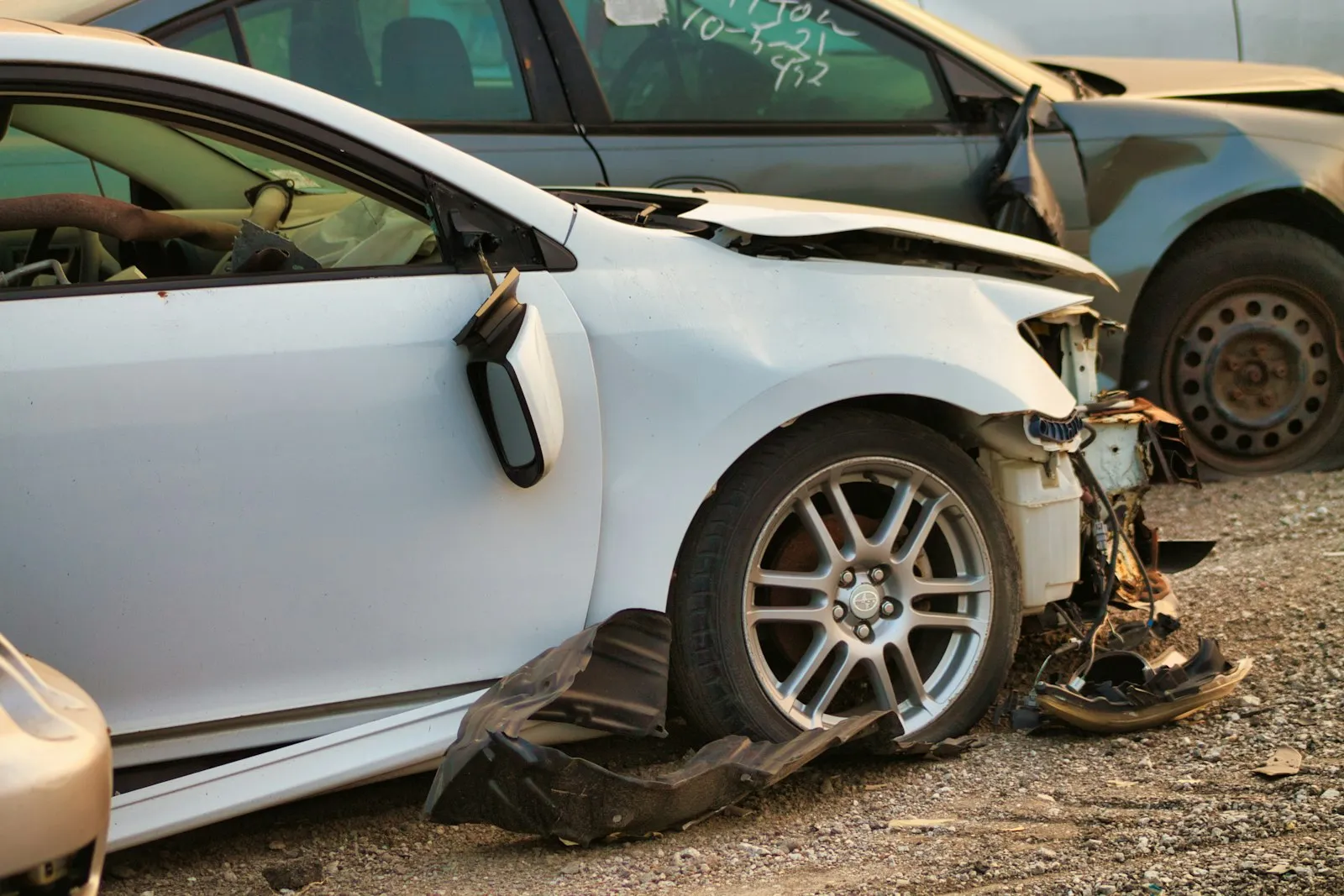
The definition
A title brand is a label a state puts on a vehicle’s ownership record to describe its current or past condition. The Justice Department’s NMVTIS program defines a brand as a designation on a vehicle ownership document, including its electronic record, that identifies or describes an event affecting the value or safety of the vehicle, such as junk, salvage or flood.1
A “clean” title has no brand. A “branded” title has at least one, printed on the title and stored in the state’s records.
Each state decides its own brand names and rules. NMVTIS maps state brands to its own set of brands for consistency, so they still mean something when a car crosses state lines.1
Common brands and what they mean
The names vary by state, but most brands fall into these groups. The descriptions below use the NMVTIS brand definitions as the Texas DMV publishes them, plus Florida’s statute for use-history brands.
| Brand group | What it means | Can the car be driven? |
|---|---|---|
| Salvage (incl. “owner retained”, “fire damage”, “salvage – stolen”) | Damaged or declared a total loss; repairs exceed the state’s threshold2 | Not until rebuilt and inspected |
| Rebuilt (“rebuilt salvage”, “prior salvage”) | Was salvage, then repaired to roadworthiness and inspected3 | Yes |
| Junk / nonrepairable / crushed / dismantled | Only value is as parts or scrap; should never be titled or registered again4 | No, never |
| Flood | Damaged by water; Florida lists it with the brands that must be stamped on the title5 | Depends on the state and whether it was repaired |
| Odometer (“not actual mileage”, “exceeds mechanical limits”) | The mileage on the title isn’t the true mileage, or can’t be shown6 | Yes; it’s a value warning |
| Use history (e.g., “manufacturer’s buy back”, police, taxi, short-term lease) | Past use the state wants buyers to know about5 | Yes |
Why brands matter
For buyers: NMVTIS says that without the brand history, a buyer may pay more than the car’s fair market value, or buy an unsafe vehicle.7
For sellers: a brand lowers what buyers will pay. The Texas DMV says rebuilt vehicles will always be worth substantially less because they were once salvage, and notes they’re often denied insurance.3
For anyone junking a car: the brand decides your options. A salvage car can be sold to a rebuilder. A junk or nonrepairable car can only go for parts or scrap.4 Either way, a junkyard will want the branded title or the state’s equivalent document. See certificate of destruction.
How to check a car’s brands
- Read the face of the title. Brands are usually printed in a visible spot. Florida law requires rebuilt and similar brands to be stamped “in a conspicuous place” on the title.5
- Run an NMVTIS report. Before you buy, NMVTIS lets you see the vehicle’s title information, most recent odometer reading and brand history from any reporting state.7 Texas points buyers to the same check and lists approved report providers.8
- Ask the seller directly, and get repair records for any rebuilt car.
A clean report isn’t a guarantee. A history report shows only what was reported, so have the car inspected too.
“Title washing” and why NMVTIS exists
Before NMVTIS, a branded car could sometimes be re-titled clean in a state that didn’t recognize the brand. NMVTIS gives the example of flooded vehicles taken out of Louisiana after Hurricane Katrina, dried out and sold to unsuspecting buyers in states that don’t brand flood vehicles. It says the system is designed to stop vehicle histories like these from being “washed” or concealed.7
How states differ: two examples
Texas treats a vehicle with any NMVTIS salvage-type brand as salvage, and it must be rebuilt and inspected before going back on the road.2 If Texas applies a brand reported by another state and you believe it’s wrong, contact that state. If it confirms the error, get a written statement from it on official letterhead, then mail it to TxDMV with your title and a request to remove the brand.8 See Texas junk car laws.
Florida bars anyone from knowingly selling a rebuilt vehicle until the title is stamped to say so, unless a proper title application has been made and the state has physically examined the vehicle. The same applies to flood, kit, replica, custom and similar vehicles. Titles for former taxis, police vehicles and short-term-lease vehicles must be stamped too, and manufacturer buybacks must be stamped “Manufacturer’s Buy Back”.5 See Florida junk car laws.
For other states, see our junk car laws pages.
Selling a car with a branded title
You can sell most branded cars. The steps are the same as for any title (see how to sign over a car title), but expect offers to reflect the brand. For specific brands, see salvage title, rebuilt title, sell a flood-damaged car and sell a fire-damaged car.
References
-
U.S. Department of Justice, NMVTIS, “Glossary”, https://vehiclehistory.bja.ojp.gov/nmvtis-annual-reports-and-financial-audits/glossary ↩ ↩2
-
Texas Department of Motor Vehicles, “Salvage Vehicles”, https://www.txdmv.gov/motorists/buying-or-selling-a-vehicle/title-check-look-before-you-buy/salvage-brands ↩ ↩2
-
Texas Department of Motor Vehicles, “Rebuilt Vehicles”, https://www.txdmv.gov/motorists/buying-or-selling-a-vehicle/title-check-look-before-you-buy/rebuilt ↩ ↩2
-
Texas Department of Motor Vehicles, “Junk Title Brands”, https://www.txdmv.gov/motorists/buying-or-selling-a-vehicle/title-check-look-before-you-buy/junk-title-brands ↩ ↩2
-
Florida Statutes, s. 319.14, “Sale of motor vehicles registered or used as taxicabs, police vehicles, lease vehicles, rebuilt vehicles…”, http://www.leg.state.fl.us/statutes/index.cfm?App_mode=Display_Statute&URL=0300-0399/0319/Sections/0319.14.html ↩ ↩2 ↩3 ↩4
-
Texas Department of Motor Vehicles, “Odometer Brands”, https://www.txdmv.gov/motorists/buying-or-selling-a-vehicle/title-check-look-before-you-buy/odometer-brands ↩
-
U.S. Department of Justice, NMVTIS, “For Consumers”, https://vehiclehistory.bja.ojp.gov/nmvtis_consumers ↩ ↩2 ↩3
-
Texas Department of Motor Vehicles, “Title Check - Look before you buy”, https://www.txdmv.gov/motorists/buying-or-selling-a-vehicle/title-check-look-before-you-buy ↩ ↩2
Questions people ask
- What does a branded title mean?
- It means a state has marked the title with a label, such as salvage, rebuilt, flood or junk, to record past damage or a problem that affects the car's value or safety.
- Can a branded title be removed?
- Generally not, if the brand is correct. If a brand was applied in error, Texas lets owners send a written statement from the state that reported it, on that state's letterhead, and ask for a new title without the brand.
- Is a branded title bad?
- It depends on the brand. A rebuilt car can be driven legally but is worth less. A junk or nonrepairable brand usually means the car can never be titled for the road again.
- How do I check if a car has a branded title?
- Look at the face of the title, then run the VIN through an NMVTIS report from an approved provider listed on the official NMVTIS site, vehiclehistory.bja.ojp.gov. NMVTIS keeps brands applied by any reporting state.