
How to sell a car after an accident
Quick answer
Settle the insurance claim before you sell, because the insurer may take the car or brand its title. If it's declared a total loss and you keep it, expect a smaller payout and, in many states, a salvage title. Then sell it as is to a junk car buyer, salvage buyer or yard, and tell every buyer about the damage.
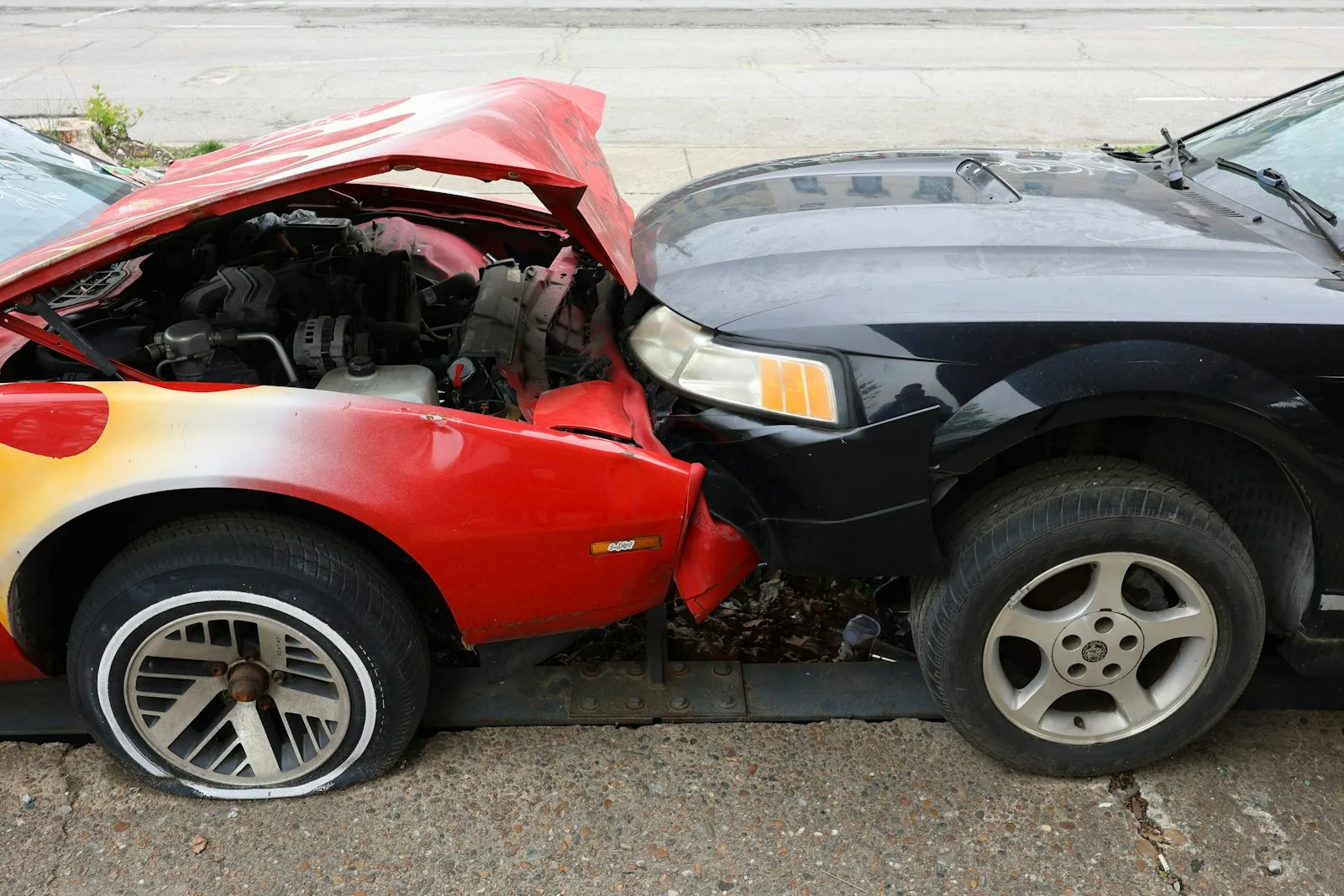
After an accident you have two decisions to make: what the insurance company will do with the car, and who will buy what’s left. Get the first answer before you look for a buyer. The insurer’s decision sets who owns the car, what the title will say and how much money you get.
Settle the insurance claim first
Your insurer (or the other driver’s) will inspect the car and either pay for repairs or declare it a total loss. Triple-I explains that a car is totaled if the cost of repairs exceeds the car’s value. With collision or comprehensive coverage, the insurer pays the car’s full market value or the policy limit, less your deductible if you were at fault.1
If the insurer declares a total loss, you usually have two options:
- Let the insurer take the car. You sign the title over and get the settlement. The insurer then sells the car through its own salvage channels, and you don’t sell it yourself.
- Keep the car (owner retention). Washington’s insurance commissioner notes that if you keep it, the insurer subtracts the car’s salvage value from your payout and reports the vehicle to the state.2 You then own a damaged car that, depending on your state, may need a salvage or nonrepairable title before you sell it yourself.
Ask the insurer for its total loss valuation report, which shows the data it used to value your car. Washington’s guidance says the insurer may not hand it over unless you ask.2
If you still owe money on the car, the loan comes first. Collision and comprehensive cover only the car’s market value. Gap insurance covers the difference between that value and what you owe.1 See selling a car with a lien for how the payoff works.
What affects the price after a crash
Nobody can price a wrecked car without seeing it, but buyers look at the same few things:
| Factor | Why it matters |
|---|---|
| Where the damage is | Front-end hits often damage the engine, radiator and airbags. Rear or side damage may leave the drivetrain intact and resellable. |
| Whether it runs and drives | A car that can roll onto a truck is easier to move. A seized or crushed car is priced closer to scrap. |
| Frame or structural damage | Frame damage usually ends the car’s life as a road vehicle, so it’s priced for parts or metal. |
| Airbags deployed | Replacing airbags adds a lot to any repair, so buyers who rebuild cars will offer less. |
| Title status | A clean title, a salvage title and a nonrepairable title each open different buyers. |
| Year, make and model | Popular models have more demand for used parts. |
For the full method buyers use, see how junkyards price cars. If the car is drivable and the repair is modest, compare the repair cost with the car’s value in junk or repair before you sell.
Paperwork you’ll need
- The title, in your name. If the insurer paid a total-loss claim and you kept the car, you may need a salvage or nonrepairable title first (see the state examples below).
- A lien release if a loan was paid off by the insurance settlement or by you.
- A bill of sale that names the car, the price, the date and the words “sold as is”, and notes the accident damage.
- The claim paperwork, such as the settlement letter or owner-retention notice. A buyer may ask for it to understand the title status.
- A release of liability or notice of transfer, filed with your state after the sale, where your state has one.
Insurers must report total-loss and salvage vehicles of the current model year or the four prior model years to the National Motor Vehicle Title Information System (NMVTIS) at least monthly, and the Department of Justice encourages them to report older ones too.3 A buyer who runs the VIN may see the total-loss history, so be upfront about it.
Steps to sell a car after an accident
- Finish the claim. Get the settlement in writing and decide whether to keep the car.
- Get the right title. If your state requires a salvage or nonrepairable title for a retained total loss, apply before you sell.
- Pay off or arrange the payoff of any loan. The lender has to release its lien before ownership can pass.
- Take photos of the damage from all sides and the interior, plus the odometer and VIN plate. Buyers quote faster with good photos.
- Get several quotes. Ask each buyer whether towing is included, whether the price can change at pickup and what paperwork they need. You can get an offer for your car and compare it with local yards in the junkyard directory.
- Disclose the damage in the listing and on the bill of sale.
- Sign the title over at pickup and remove your plates if your state requires it.
- File your release of liability and cancel insurance and registration. See cancel insurance and registration after selling.
How state rules differ
Each state sets its own salvage definition and its own rules for cars an owner keeps after a total loss. Three examples:
- Texas. A salvage vehicle is one damaged so badly that repairs, including materials and labor, would cost more than it was worth before the damage. A total-loss vehicle the owner keeps carries the NMVTIS brand “Owner Retained”, and a salvage vehicle must be rebuilt and inspected before it can be driven on a road again.4 The insurer files an Owner Retained Report (Form VTR-436) within 30 days when it doesn’t take ownership, and must tell the owner the rules for operating or transferring the car, including that the owner must apply for a salvage or nonrepairable title before selling it.5 Details: Texas junk car laws.
- New York. A salvage vehicle includes one with repair costs of more than 75% of its pre-damage retail value. Certificates branded “parts only”, “non-repairable” or similar can’t be examined or retitled for the road.6 Details: New York junk car laws.
- Washington. If you keep a totaled car, the insurer deducts its salvage value and reports the vehicle to the Department of Licensing.2 Details: Washington junk car laws.
For other states, start at junk car laws by state.
Who buys accident-damaged cars
- Junk car buyers and junkyards buy cars in any condition, usually for parts and scrap metal. They’re often the simplest option for a car with a salvage title or heavy damage.
- Salvage auctions and rebuilders may pay more for a newer car with repairable damage, but they’re pickier and often want a clean or salvage title (not nonrepairable).
- Private buyers sometimes want a project car. Expect more questions and more time.
If the insurer has already declared the car a total loss, read how to sell a totaled car for the next steps.
References
-
Insurance Information Institute (Triple-I), “Auto insurance jargon buster” (entries for “Totaled” and “Gap insurance”), https://www.iii.org/article/auto-insurance-jargon-buster ↩ ↩2
-
Washington State Office of the Insurance Commissioner, “What happens after your car gets totaled”, https://insurance.wa.gov/what-happens-after-your-car-gets-totaled ↩ ↩2 ↩3
-
U.S. Department of Justice, National Motor Vehicle Title Information System, “Insurance carriers” reporting requirements, https://vehiclehistory.bja.ojp.gov/nmvtis_insurance ↩
-
Texas Department of Motor Vehicles, “Salvage brands”, https://www.txdmv.gov/motorists/buying-or-selling-a-vehicle/title-check-look-before-you-buy/salvage-brands ↩
-
Texas Department of Motor Vehicles, Form VTR-436 “Owner Retained Report” (Rev. 01/25), https://www.txdmv.gov/sites/default/files/form_files/VTR-436.pdf ↩
-
New York State DMV, “Salvage vehicles”, https://dmv.ny.gov/salvage/salvage-vehicles ↩
Questions people ask
- Can I sell my car before the insurance claim is settled?
- You can, but it usually causes problems. The insurer may need to inspect the car, and if it declares a total loss it may want to take ownership. Finish the claim first so you know who owns the car and what the title will say.
- Will my car get a salvage title after an accident?
- Only if the damage meets your state's salvage definition. New York, for example, uses repair costs of more than 75% of pre-damage retail value. Texas treats a car as salvage when repairs would cost more than it was worth before the damage.
- What if I owe more on the loan than the car is worth?
- The insurance payout covers the car's market value, not the loan balance. Gap insurance, if you have it, covers the difference. Otherwise you owe the rest to the lender, and the lender must release its lien before ownership can pass to a buyer.
- Do I have to tell a buyer the car was in an accident?
- Yes. Disclose the damage in writing, and if the title is branded, the brand travels with it. Hiding known damage invites disputes after the sale, even when the car is sold as is.