
Should you junk or repair your car?
Quick answer
Repair the car when the written repair estimate plus any other work it will soon need is clearly less than the gap between what it's worth fixed and what it's worth as-is. If the repair costs close to or more than that gap, or the car has several big problems at once, selling it as-is or junking it is usually the better money decision.
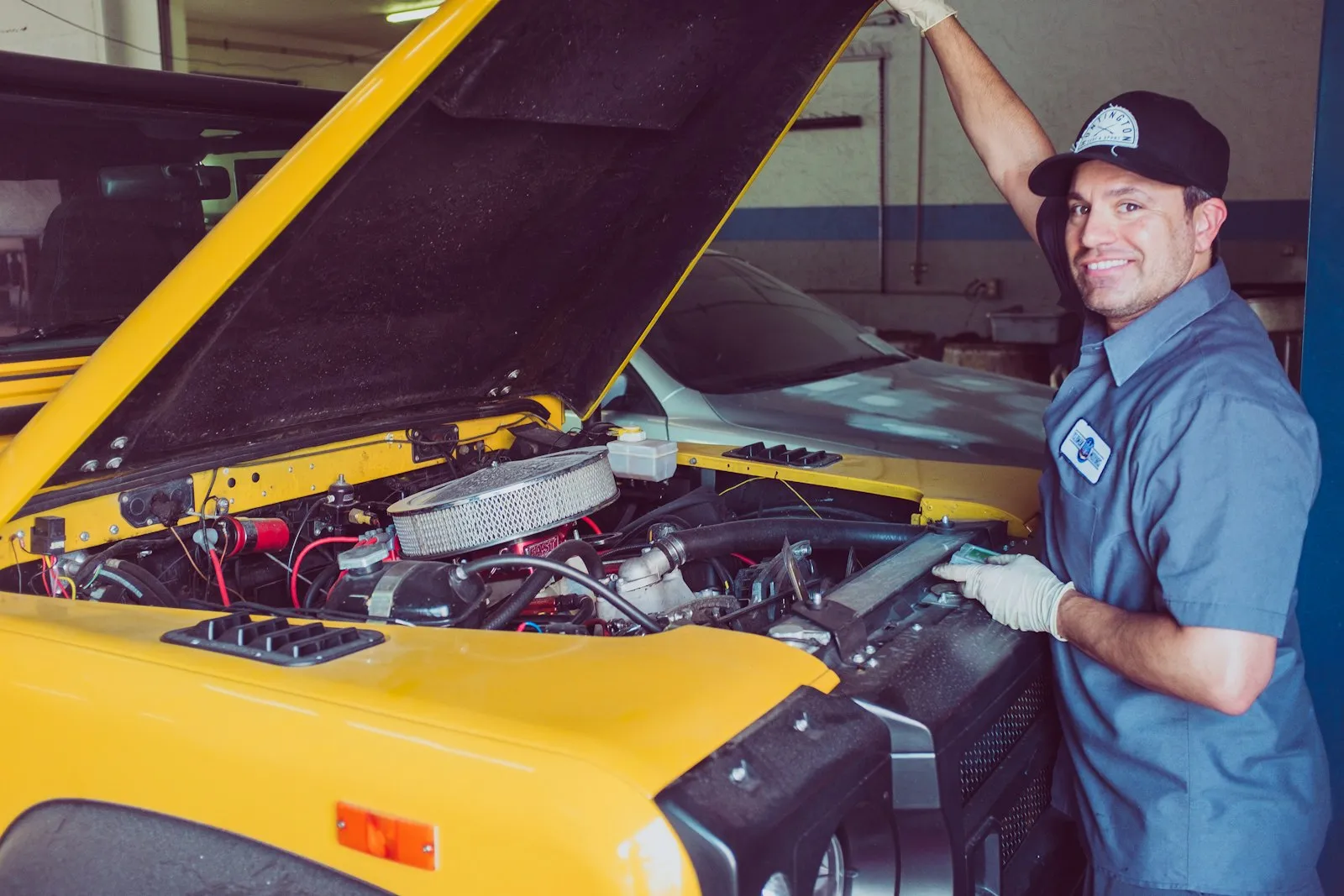
The decision comes down to three numbers: what the repair will cost, what the car will be worth once it’s fixed, and what you can get for it today as it is. You can find all three in an afternoon, and no rule of thumb replaces them.
The three numbers you need
1. The real repair cost
Get a written estimate from a shop. The FTC says an estimate should name the problem to be repaired, the parts needed and the expected labor charge. It also says to get a second opinion for expensive or complicated repairs.1 Ask whether you’ll pay a diagnostic fee if you take the work elsewhere. The FTC also notes there’s no standard warranty on repairs, so get the shop’s warranty in writing.1
Then ask the mechanic one more question: “What else is this car going to need in the next year?” Worn tires, brakes, a leaking radiator or an inspection that’s coming due all belong in the total. A car that needs one repair is a different decision from one that needs five.
2. What the car is worth fixed
This is the private-party value of the same year, make, model and mileage in working order, with any remaining damage you won’t fix (body damage, rust, a branded title) taken into account. A salvage or branded title lowers this number even after the repair.
3. What the car is worth as-is today
Get real offers for the car in its current condition. A junk or salvage buyer pays for working parts, the catalytic converter and the metal, so the car is rarely worth nothing. See how junkyards price cars and how much a junk car is worth.
The decision method
Work it out on paper:
Value added by repair = value fixed − value as-is
Repair is worth it when total repair cost < value added by repair
You subtract the as-is value because selling as-is is the money you give up by choosing to repair. A shortcut like “junk it when repairs cost more than half its value” skips that step and can point you the wrong way.
| Your numbers | What it usually means |
|---|---|
| Repair cost is well below the value added | Repairing likely pays, especially if you need the car |
| Repair cost is about the same as the value added | It’s close to even. Decide on how much you need the car and how much you trust it |
| Repair cost is more than the value added | Selling or junking as-is is usually the better money choice |
| Several major problems (engine, transmission, frame, flood) | Treat the estimate with caution, because one repair often uncovers the next |
Things the math doesn’t capture
- Do you need a car next month? Replacing a car costs money too. If you’d have to buy another car right away, a repair that only breaks even can still make sense.
- Reliability after the repair. A new transmission doesn’t fix a tired engine. Older cars with high mileage tend to need more work, so ask the mechanic what else is close to failing.
- Safety. Frame, airbag and flood damage are about more than money. A flood-damaged car can have electrical problems that show up months later.
Check for free fixes first
Before you pay for anything, run the VIN through NHTSA’s recall search. When a safety recall is issued, manufacturers are required to fix the problem by repairing it, replacing it, offering a refund or, in rare cases, buying the vehicle back.2 An open recall could cover the very part that failed.
If your car failed an emissions test, some states offer help. California’s Consumer Assistance Program, for example, offers repair help for cars that fail a Smog Check and money to retire a car, subject to eligibility rules and available funds each fiscal year.3 Ask your state’s emissions or motor vehicle agency whether a similar program exists, and see selling a car that failed inspection.
A worked example (with placeholder numbers)
Put your own figures in place of the letters:
- The shop’s written estimate for the transmission is R. The mechanic also says the car needs tires and brakes soon, which cost T. Your total repair cost is R + T.
- The same car in working order sells privately for about F.
- You get three as-is offers. The best one is A.
- The value added by repairing is F − A.
- If R + T is clearly smaller than F − A, repairing gains you money. If not, take the as-is offer.
Real offers vary a lot between buyers, so get more than one before you plug in A.
If you decide not to repair
- Don’t fix it to sell it. An as-is buyer has already priced in the damage. Repairs rarely raise the offer by as much as they cost.
- Decide how to sell. Compare selling for parts or whole, donating and junking.
- Get the paperwork ready. Find the title (or see selling without a title) and read how to prepare a car for the junkyard.
- Match the guide to your problem. See blown engine, bad transmission, car that doesn’t run or after an accident.
When you’re ready, you can get an offer for your car and compare it with your repair estimate.
References
-
Federal Trade Commission, “Auto Repair Basics”, https://consumer.ftc.gov/articles/auto-repair-basics ↩ ↩2
-
National Highway Traffic Safety Administration, “Check for Recalls: Vehicle, Car Seat, Tire, Equipment”, https://www.nhtsa.gov/recalls ↩
-
California Bureau of Automotive Repair, “Repair or retire your vehicle with the Consumer Assistance Program”, https://www.bar.ca.gov/cap ↩
Questions people ask
- Is there a rule like 'junk it if repairs cost more than half its value'?
- No official rule like that exists. A fixed percentage ignores what the car is worth as-is, which is the money you give up by repairing instead of selling. Compare the repair cost with the gap between its fixed value and its as-is value.
- Should I fix a car before I junk it?
- Usually not. A buyer who pays for cars as-is has already priced in the damage, so a repair rarely raises the offer by as much as it costs. Get as-is offers first, then decide.
- Does an open recall change the decision?
- It can. Manufacturers must fix a recalled safety defect by repairing it, replacing it, offering a refund or, rarely, buying the vehicle back. Check the VIN with NHTSA before you pay a shop for a problem that may be covered.
- What if my car failed a smog or safety inspection?
- Get a written estimate for the repair it needs to pass, then use the same comparison. Some states run programs that help with repairs or pay to retire a car. California's Consumer Assistance Program is one example.